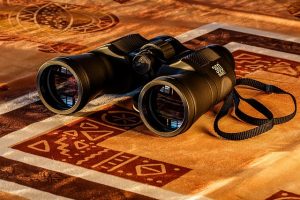
 The best brand of binoculars depends on your specific needs, preferences, and budget. Several reputable brands are known for producing high-quality binoculars, and each may excel in different categories.
Some Binocular Brands
Zeiss: Known for premium optics and build quality, Zeiss offers a range of binoculars suitable for various activities.
Leica: Leica is another top-tier brand, particularly known for its high-end optics and precision engineering.
Swarovski: Swarovski produces top-of-the-line binoculars with exceptional optics and rugged construction, often favored by birdwatchers and outdoor enthusiasts.
Nikon: Nikon is a well-known and trusted brand, offering a wide range of binoculars for different purposes and budgets.
Bushnell: Bushnell is a popular choice for those looking for good performance at a more affordable price point.
Vortex: Vortex Optics is known for providing quality optics at various price points, with a reputation for excellent customer service.
Canon: While Canon is more famous for its cameras, it also produces high-quality binoculars with image stabilization technology.
Steiner: Steiner is recognized for its rugged and durable binoculars, suitable for outdoor activities and marine use.
Factors When Choosing Binoculars
When choosing binoculars, consider factors such as magnification, objective lens size, field of view, build quality, and waterproofing. Additionally, reading reviews and seeking recommendations based on your specific needs can help you find the best binoculars for your purposes. Keep in mind that the “best” brand may vary depending on individual preferences and the intended use of the binoculars.
Magnification
Magnification refers to the factor by which an optical device, such as binoculars or a microscope, enlarges the apparent size of an object when viewed through the device compared to the naked eye. It is expressed as a ratio, such as 8x or 10x, where the number indicates how many times larger the object appears when viewed through the optical instrument.
For example, if you have binoculars with 8x magnification, the object you’re observing will appear eight times larger than it would to the naked eye. Higher magnification can be beneficial when observing distant objects, but it’s important to note that higher magnification also comes with trade-offs, such as a narrower field of view and increased sensitivity to hand movements, which can lead to shakier images.
When choosing optical instruments with magnification, it’s crucial to consider your specific needs and the intended use. For activities like birdwatching or sports events, a moderate magnification (e.g., 8x or 10x) is often preferred for a good balance between zooming in and maintaining a steady image.
Tripod
You can use a tripod with binoculars to stabilize and steady your view, especially when using binoculars with higher magnification. Binoculars that have a magnification of 10x or more can be challenging to hold steady for extended periods of time, leading to shaky images and eye fatigue.
Many binoculars are designed with a threaded socket that allows them to be mounted on a tripod. This socket is typically located in the front or center of the binoculars, and it’s compatible with standard tripod mounts.
To use a tripod with binoculars:
Check for a Tripod Socket: Ensure that your binoculars have a threaded socket for mounting on a tripod. This is often found under a cap or cover on the front side or in the center hinge area.
Get a Binocular Tripod Adapter: If your binoculars don’t come with a tripod adapter, you may need to purchase one separately. This adapter typically screws into the tripod socket on the binoculars and provides a platform for attaching to the tripod.
Attach the Binoculars to the Tripod: Screw the binoculars onto the tripod adapter or directly onto the tripod if they have a built-in mount.
Adjust the Tripod: Set up the tripod at a comfortable height and make sure it’s stable. Adjust the tilt and pan of the tripod head to achieve the desired viewing angle.
Using a tripod with binoculars can greatly enhance your viewing experience, especially when observing stationary objects for an extended period or when using higher magnification binoculars. It’s particularly useful for activities like birdwatching, stargazing, or any other situation where a steady view is essential.
Objective Lens Size
The objective lens size of binoculars refers to the diameter of the front lenses, which are the larger lenses that face the object you are observing. The objective lens size is typically measured in millimeters (mm) and is part of the binocular specification.
For example, in a specification like “8×42,” the number 42 represents the diameter of the objective lenses in millimeters. The larger the objective lens size, the more light the binoculars can gather, which can be beneficial in low-light conditions and can contribute to a brighter image.
Here are some general considerations regarding objective lens size:
Low Light Conditions: Binoculars with larger objective lenses (e.g., 42mm, 50mm, or more) are generally better in low-light conditions, such as dawn, dusk, or overcast skies. They allow more light to enter, resulting in a brighter image.
Size and Weight: Larger objective lenses contribute to larger and heavier binoculars. If portability and weight are important factors, you might prefer binoculars with smaller objective lenses.
Field of View: Smaller objective lenses can contribute to a wider field of view. If observing a broader area is crucial for your activity, you might prioritize a wider field of view over larger objective lenses.
Brightness and Image Quality: While larger objective lenses can provide a brighter image, the overall brightness and image quality are also influenced by other factors, such as lens coatings and optical design.
It’s important to note that the ideal objective lens size depends on your specific needs and the intended use of the binoculars. For general-purpose use, common sizes like 42mm are popular because they provide a good balance between brightness and portability. However, for specialized activities like astronomy, where low-light performance is crucial, larger objective lenses (50mm and above) may be preferred.
 Outdoor trailer mats are useful and extremely versatile accessories for trailers, RVs, and camping setups as they provide a clean and comfortable outdoor space, preventing dirt and debris from entering the trailer. They are often made from polypropylene, because of its durability, resistance to mold and mildew, and ease of cleaning. They may alternatively be made from PVC (Polyvinyl Chloride) which is also durable and weather-resistant or
 Using fairy lights for tent camping can create a magical and cozy atmosphere, enhancing your camping experience but you will need to opt for the right lights.
 While campfires are enjoyable, some camping locations may have restrictions on open fires. Fairy lights can act as a safer and eco-friendly alternative to create a relaxing ambiance around the camping area and if you plan to camp for an extended period, consider using solar-powered fairy lights during the day to charge them up.